

The first time I hired a sound engineer, I thought I was paying for better audio. I was wrong. I was paying to remove distraction. Viewers forgive a lot, but they do not forgive sound that makes them work. If the voice is thin, if the music fights the dialogue, if the room tone jumps between cuts, people do not complain. They leave.
I learned that on a product video that looked sharp and graded well, yet still underperformed. The edit felt cheap even though it was not. When we replayed it with our eyes closed, the problem was obvious. The dialogue level wandered. A hiss rode under the lines. One cut sounded like a small office, the next like a tiled kitchen. Nothing was technically broken, but the experience was inconsistent. The sound engineer did not just fix audio. They fixed trust.
What a sound engineer changes that most teams do not notice until it hurts
A good sound engineer makes your project feel more expensive without making it louder. They shape attention the way lighting shapes a scene. They decide what the audience should notice, when, and for how long.
The most immediate change I felt was intelligibility. Not louder voice, but clearer consonants, steadier body, fewer harsh spikes when someone leans into a mic. That clarity reduces cognitive load. Your viewer spends less effort decoding words and more effort absorbing your message.
The second change was continuity. In a multi-day shoot, your sound always changes. Different rooms, different distances, different noise. A sound engineer smooths those edges so your edit feels like one moment, not a collage.
The third change was translation. Once your mix is stable, every downstream use gets easier. Captions match better. Social cut-downs reuse the same stems. Paid ads pass platform loudness checks with fewer surprises. The work stops being fragile.
See also: How to Hire Software Developer Online?
Where sound engineering improves outcomes the fastest in my work
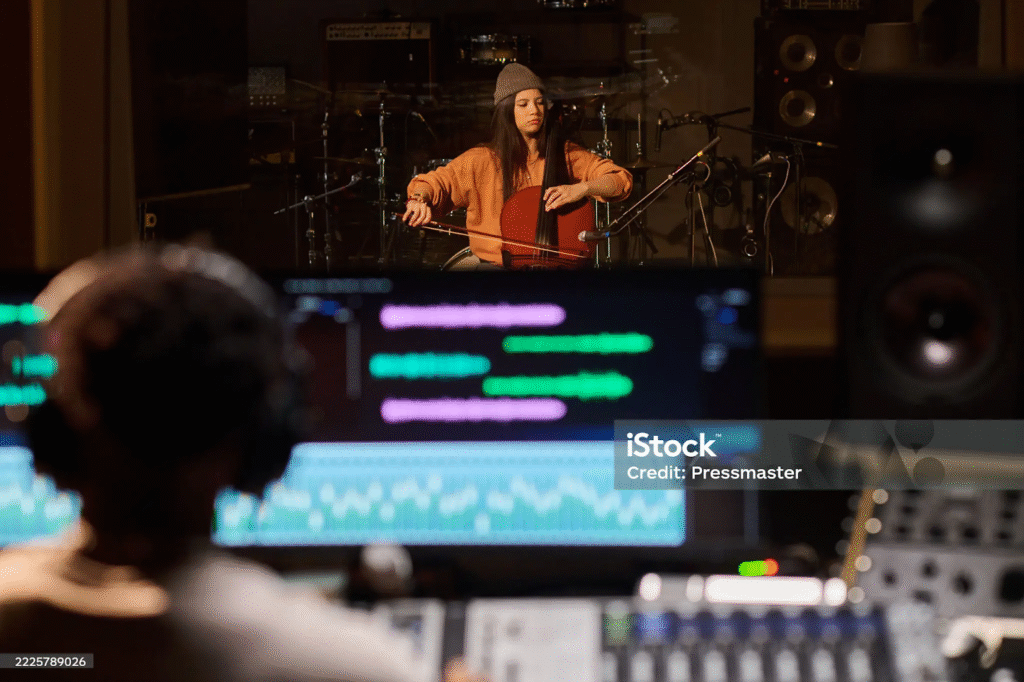
I see the biggest impact in dialogue-led content: explainers, interviews, podcasts, webinars, online courses, UGC-style ads, case studies, founder stories. The viewer’s job is to understand. If the sound fails, nothing else matters.
Brand content also benefits quickly, especially where music and voice share space. A sound engineer creates room for both. They can make a track feel energetic without swallowing the words, which is where most DIY edits fall apart.
If you do anything multilingual, sound matters even more. When you rely on subtitles, you still need clean speech for timing, for translation accuracy, and for that basic sense that the brand is competent.
How I shortlist a sound engineer without guessing
I start on Fiverr because it is the broadest marketplace I have used for audio roles, and it is where I can compare real portfolios across many niches in one place. I use Fiverr sound engineer services for editing, mixing, mastering, and audio restoration as my starting point because it shows the range of offers and lets me scan for the exact deliverables I need.
After that, I filter my thinking by project type, not by job title. Some projects need dialogue editing more than mixing. Some need noise reduction and room tone work. Some need sound design. The best engineers describe outcomes clearly, with examples that sound like my problem.https://en.wikipedia.org/wiki/Audio_engineer
To keep my evaluation grounded, I borrow credibility checks from a high-authority guide on how to assess freelancers and proof. I reference a rusted guide to evaluating freelance credibility before hiring because it mirrors how I verify evidence instead of trusting a headline.
Then I do one small test that represents the real pain. I send a short clip that includes speech, a hard cut, some background noise, and a bit of music under voice. If they can make that clip feel effortless, the full project usually goes well.
What I include in the brief so the deliverables do not drift
I keep the brief short, but specific. I name the platform and the purpose. A YouTube video mix is not the same as a TikTok ad. A podcast episode is not the same as a webinar replay.
I attach a reference example, not to copy it, but to show the target feel. I also say what I cannot change. If the microphone is baked into camera audio, I say so. If I have separated stems, I say so. If the music is licensed and cannot be altered, I say so.
I also set boundaries around natural. Some teams want every breath removed. I do not. I ask for clean, consistent speech that still sounds human, and I only remove breaths when they pull attention away from meaning. That single choice can cut revision time because stakeholders stop arguing about taste.
The deliverables that changed approval speed on my projects
Dialogue cleanup is the obvious one, but the value is in the method. The engineer removes constant noise, reduces harsh peaks, and evens the voice without flattening it. When done well, it sounds natural, like the speaker was recorded on a better day in a better room.
Loudness consistency is the hidden one. If your intro is one level, your main section is another, and your outro is a third, the viewer notices even if they cannot explain why. A sound engineer targets stable loudness and controlled dynamics so a listener does not ride the volume knob.
Stem delivery is the long-term one. Once I started requesting separate dialogue, music, and effects stems, repurposing became cheaper. I can cut new versions without rebuilding the mix from scratch, and that reduces the temptation to just leave it when a new edit needs a quick tweak.
Fiverr-based price expectations I use when I plan budgets
When I plan budgets, I rely on the actual price ranges visible in Fiverr’s sound engineering categories rather than guesses. Based on current Fiverr freelancer listings, basic audio cleanup tasks such as short dialogue editing, noise reduction, or simple loudness balancing typically start around $15–$30 per project.
For more involved work, including full mixing and mastering of YouTube videos, podcast episodes, webinars, or branded content, prices commonly range between $80–$250, depending on duration, number of tracks, revision rounds, and whether separate stems are delivered.
Longer-form or technically demanding projects such as multi-episode podcasts, online courses, audio restoration, or projects requiring consistent sound across a series often fall in the $300–$800+ range when working with experienced freelancers who manage continuity and deliver reusable stems.
My budgeting rule is straightforward. If audio quality directly affects credibility, viewer retention, or paid distribution performance, I plan for the mid-to-upper end of these ranges. On Fiverr, the difference is rarely about volume or effects. It is about fewer revisions, faster approvals, and audio that holds up when the content is reused across platforms.
When I switch to Fiverr Pro for projects that cannot slip
For long-term programmes, multi-stakeholder work, or brand-sensitive deliverables, I use Fiverr Pro because it reduces the friction that causes audio projects to stall. I reference Fiverr Pro plans and benefits for long-term, business-critical collaboration when I need a workflow that supports a team rather than a one-off transaction.
In my projects, Fiverr Pro earns its place through three client-side benefits: access to premium, vetted talent for higher-stakes work, collaboration and payment workflows that keep approvals and budgeting organised across a team, and business-oriented support and structure that makes repeat work smoother when a series needs consistent sound.
The workflow I follow so revisions stay minimal
I organise sound tasks the same way I organise design tasks. I define what done means and I keep feedback clean.
I provide the engineer with the best source I have, even if it is imperfect. I label clips clearly. I confirm whether the goal is clean but natural or studio polished. I state whether I want a warmer tone or a brighter one, using a reference clip to avoid vague adjectives.
I separate creative feedback from technical feedback. Creative feedback is about feel. Technical feedback is about noise, peaks, timing, and loudness. When I mix these together in one message, I get messy outcomes. When I separate them, I get clean iterations.
If the project is ongoing, I keep a simple sound profile note for consistency across episodes: the reference clip, the deliverables I need every time, and the do not change items. That note becomes the fastest way to maintain quality when the schedule gets busy.
One educational YouTube resource I share with my team
Even when I hire a sound engineer, I want my team to understand the basics so feedback stays useful and approvals stay fast. I share one educational YouTube resource that explains what makes a mix work in plain terms, so non-audio teammates can comment on the right things. Here is the one I use most often The 4 Fundamentals of a Good Mix (with Dan Worrall).
Keeping briefs and collaboration tight when audio work moves fast
When a project has many moving parts, I use Fiverr’s AI tools once, up front, to reduce brief and coordination friction: Fiverr Neo helps me narrow a shortlist when the niche is specific, the AI Brief Generator helps me draft a complete scope that I then edit, and AI project management tools help keep files, feedback, and approvals from scattering across threads.
The goal is not to replace judgement. It is to reduce avoidable confusion so the sound engineer can spend time on audio, not on chasing missing context.
Where sound engineering fits inside a production system
Sound is not a last-minute polish step. It is part of the production system that makes content reusable.
When sound is stable, editing becomes faster because you are not constantly compensating for problems. Colour grading feels better because the piece feels cohesive. Motion graphics land harder because the viewer is not distracted by cheap-sounding voice. Your brand feels more consistent because the sonic texture stays recognisable across formats.
That is why I treat sound engineering as a credibility tool, not a luxury. It turns almost there into ready to ship, and it protects the quality of everything else you already worked hard to produce.
How I decide whether I need a sound engineer or a lighter audio edit
If the audio is already clean and consistent, a lighter edit can be enough. If I hear distractions, if the mix feels unstable, or if I need the piece to carry paid distribution, I treat sound engineering as essential.
When the audio feels effortless, everything else I made gets more credit.

